Best Chairs for Arthritis: Supportive Seating That Reduces Joint Pain

If sitting makes your hips grumble, your knees complain, and your back file a formal protest, your chair may be part of the problem. Arthritis and chronic pain can turn “just sit down for a minute” into a negotiation with every joint in the room.
The good news: the right chair can help. Arthritis‑friendly seating supports the body, reduces strain on painful joints, and makes it easier to sit down, stand up, and stay comfortable longer. It won’t cure arthritis — chairs are helpful, not magical woodland creatures — but better seating can make work, rest, and outdoor time feel far less exhausting.
This guide is informational only and not a substitute for medical advice. For personal recommendations, especially after surgery or with severe pain, check with a doctor, physical therapist, or occupational therapist.

Why the Right Chair Matters When You Have Arthritis
Arthritis affects the joints, but sitting posture affects how those joints feel. A chair that’s too low forces the knees and hips to work harder when standing. A seat that’s too deep can press into the backs of the knees. Poor back support encourages slouching, which adds strain to the spine, shoulders, and neck.
According to the CDC, arthritis affects one in five adults in the United States, making supportive seating an important part of daily comfort and mobility. Osteoarthritis and rheumatoid arthritis are different conditions, but both can worsen stiffness, swelling, fatigue, and pain when the body stays in one position too long.
The goal isn’t to find one perfect throne. It’s to find seating that supports three essentials:
Easier transitions – Sitting and standing shouldn’t feel like launching a rocket.
Better alignment – Feet, hips, spine, shoulders, and neck should feel supported.
Pressure relief – Cushions should distribute weight evenly and reduce hot spots.
Best Seating Options for Work (Ergonomic Chairs for Arthritis)
Work seating should support focus without turning your body into a question mark. For remote workers, crafters, or anyone who sits for paperwork, these options help reduce joint strain.
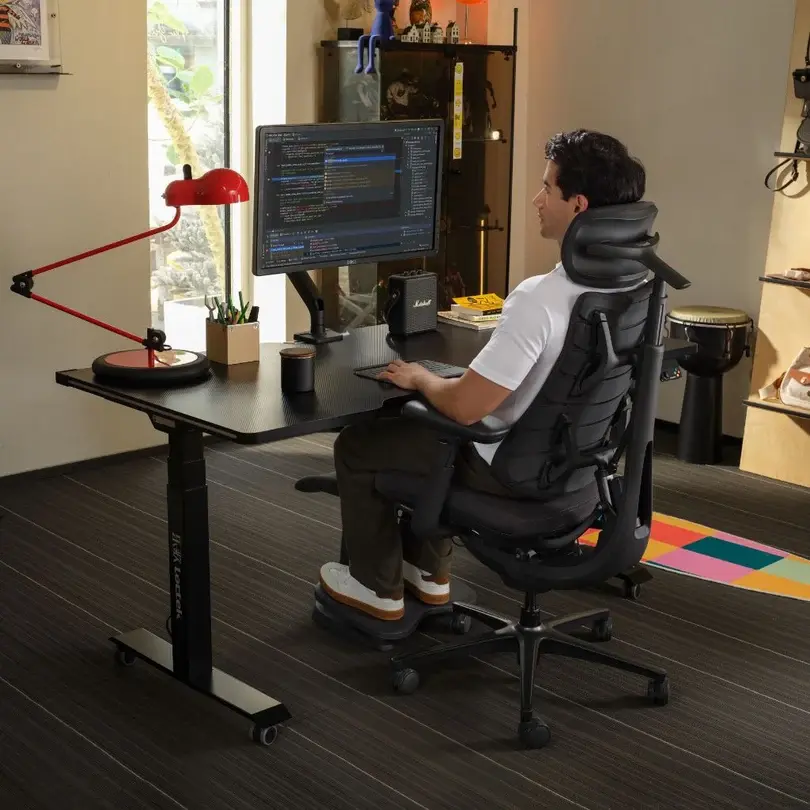
Why it helps arthritis: Dynamic lumbar support follows your spine’s natural movement, reducing stiffness during long work sessions. Adjustable seat height and armrests help reduce knee and shoulder strain.
Best for: Lower‑back arthritis, posture correction, long desk days.
You can explore arthritis‑friendly ergonomic chair here: Shop Relax the Back
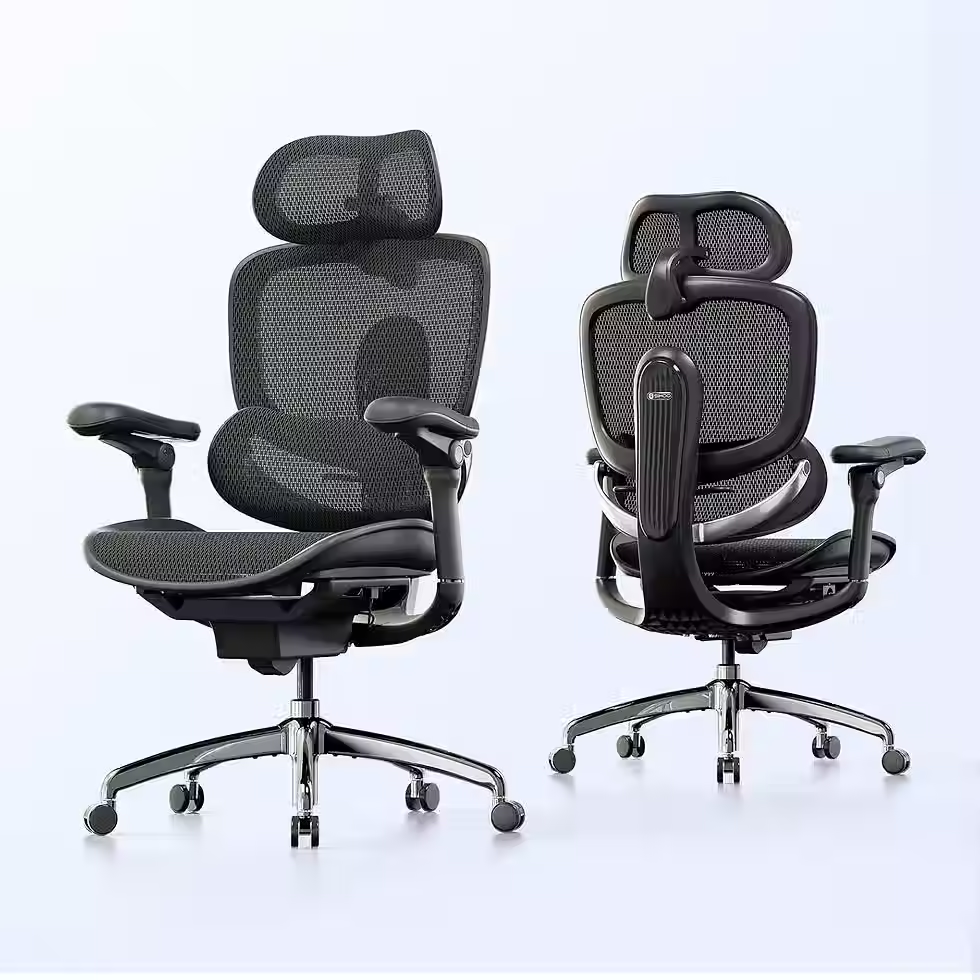
Why it helps arthritis: Adaptive lumbar support and flexible backrest reduce stiffness from static posture. Adjustable armrests and seat height help maintain joint‑friendly alignment.
Best for: Hip arthritis, warm climates, long sitting periods.
You can explore this arthritis‑friendly ergonomic chair here: https://link.amazon/B0ij4k6YF

Why it helps arthritis: The ELABEST X100 is designed for big‑and‑tall comfort with a high seat height, 5D flip‑up arms, and adjustable 3D lumbar support. The footrest helps elevate the legs, reducing swelling and pressure on the hips and knees. Mesh keeps joints cool, and the wide seat makes repositioning easier.
Best for: Knee arthritis, swelling, long work sessions, big‑and‑tall users.
You can explore this arthritis‑friendly ergonomic chair here: https://link.amazon/B03DI41dV

Why it helps arthritis: Plush cushioning supports joints without collapsing, and the tall back helps maintain alignment.
You can explore this arthritis‑friendly ergonomic chair here: https://link.amazon/B0bzqQcFa
Best Chairs for Arthritis at Home (Lift & Supportive Seating)
Relaxation seating should feel cozy — but not so soft that getting up requires a rescue team.
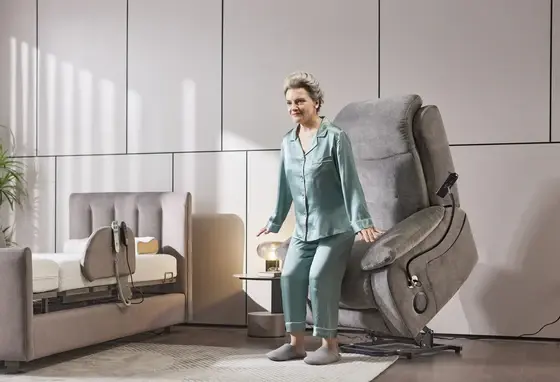
Why it helps arthritis: The gentle lift mechanism reduces knee and hip strain when standing. Heat and massage help soothe stiffness, and the firm seat prevents sinking too deeply.
Best for: Seniors, mobility challenges, chronic knee pain.
You can explore arthritis‑friendly ergonomic chair here: Shop StarSleep

Why it helps arthritis: This popular lift recliner offers a smooth, quiet lift motion that reduces knee and hip strain. The high seat height, firm cushioning, and side‑pocket storage make it ideal for seniors and anyone with mobility challenges. The fabric upholstery is soft but supportive, and the wide armrests make standing easier.
Best for: Knee arthritis, hip arthritis, mobility limitations, post‑surgery recovery.
You can explore this arthritis- friendly ergonomic chair here: https://link.amazon/B0hq24GfZ
Best Outdoor Seating for Arthritis
Outdoor seating gets tricky because many patio chairs are low, flimsy, or shaped like someone who has never met a knee designed them.
1. High‑Seat Patio Chair with Arms
Why it helps arthritis: Higher seat height makes standing easier, and sturdy arms provide strong push‑off support.
2. Zero‑Gravity Chair (Locking Positions)
Why it helps arthritis: Reclines to distribute weight evenly, reducing pressure on the spine and hips.
3. Outdoor Bench with Back Support
Why it helps arthritis: Allows easy posture changes, which help reduce stiffness.
Features That Make Any Chair Joint‑Friendly
No matter where the chair lives, the same basic features matter.
Feature | Why It Helps |
Supports the body without sinking too low | |
Helps feet rest flat and reduces knee strain | |
Supports the natural curve of the lower back | |
Makes standing and sitting easier | |
Prevents pressure behind the knees | |
Smooth fabric | Reduces friction and makes repositioning easier |
Stable base | Helps prevent wobbling and unsafe transfers |
A footrest can also help when feet don’t reach the floor. Dangling legs are for earrings, not joints.

FAQ: Arthritis‑Friendly Seating
What chair height is best for arthritis?
A good chair height lets feet rest flat on the floor, with knees bent comfortably and hips level with or slightly higher than the knees.
Are soft chairs bad for arthritis?
Very soft chairs can make standing harder and may offer poor support. A firm, cushioned seat usually works better.
Is a recliner good for joint pain?
Yes — especially if it supports the back, legs, and neck well. Power lift recliners can be especially helpful.
How often should I get up when sitting?
Many ergonomics sources suggest changing position every 30–60 minutes, but personal needs may vary.
What is the most important feature in arthritis seating?
Stability comes first. After that, focus on height, arm support, cushioning, and adjustability.
A Better Chair Can Change the Whole Day
The best seating does more than hold the body up — it helps conserve energy, lowers strain, and makes daily routines feel less like obstacle courses. For work, choose adjustability. For relaxing, choose support plus easy standing. For outdoors, choose stable chairs with arms and enough height.
Small upgrades count. A better cushion, a firmer chair, a footrest, or a lift recliner can turn “I can’t sit there” into “Actually, this works.” And when living with arthritis, that kind of comfort is no small thing.
Reference Material:
The information provided in this article is not intended to diagnose, treat, cure, or prevent any disease and should not be considered medical or professional advice. Readers should consult a licensed healthcare provider before making decisions related to arthritis care, mobility, seating, or any other health‑related matter.


Comments